
Cat6A Utp Patch Cord, Herbs & Spices
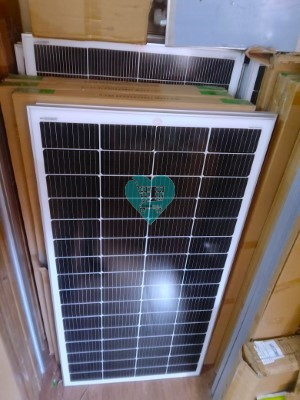
Solar Panel Mono 18V 180W
A solar panel is a device that converts sunlight into electricity. Solar panels are made up of many individual solar cells, which are typically made from semiconductor materials like silicon. When sunlight strikes these cells, it causes electrons to move, generating an electric current. More: Here’s a breakdown of key aspects related to solar panels: Types of Solar Panels: There are several main types of solar panels available: Monocrystalline: These panels are made from single silicon crystals. They are known for their high efficiency (typically 15-22%, with some reaching up to 24% or more) and have a uniform dark appearance with rounded edges. They tend to be more expensive but offer higher power output and a longer lifespan (30-40 years). Polycrystalline: These panels are made from multiple silicon fragments melted together. They are typically blue in color and have a slightly lower efficiency (15-20%) compared to monocrystalline panels. However, they are generally more cost-effective and have a lifespan of 25-30 years. Thin-film: These panels are made by depositing thin layers of photovoltaic material (such as amorphous silicon, cadmium telluride, or copper indium gallium selenide) onto a substrate. They are flexible, lightweight, and generally less expensive, but they have lower efficiency (7-19%) and a shorter lifespan (10-20 years). They are often used in large-scale installations or portable applications. PERC (Passivated Emitter and Rear Cell): This technology can be applied to both monocrystalline and polycrystalline cells to increase their efficiency by adding a layer to the back of the cell that reflects unabsorbed light back, allowing for a second chance to be converted into electricity. PERC panels can be about 5% more efficient than standard monocrystalline panels. Transparent Solar Panels: These are a newer type of solar panel with very low efficiency (1-10%) designed to be integrated into windows and other transparent surfaces. Solar Tiles: These are designed to look like traditional roof tiles while also generating electricity. Their efficiency ranges from 10-20%, and they can be quite expensive. Perovskite Solar Panels: This emerging technology shows very high potential efficiency (up to 27% in lab settings) and could be cheaper to produce. However, they are not yet widely commercially available. Efficiency of Solar Panels: Solar panel efficiency refers to the percentage of sunlight that hits the panel and is converted into usable electricity. The average efficiency of commercially available solar panels is around 15-22%. High-efficiency panels, typically monocrystalline, can reach efficiencies of nearly 23-24% in rooftop settings, with some advanced technologies achieving even higher rates in laboratory conditions (close to 40% for multi-junction cells). Efficiency is affected by the quality of the solar cells, the panel design, materials used, temperature, sunlight intensity, shading, and the age of the panel. Solar panels degrade over time, with an average degradation rate of about 0.5% per year, meaning a 20-year-old panel might produce around 90% of its initial output. Cost of Solar Panels in Kenya (as of May 14, 2025): The cost of solar panels in Kenya varies depending on several factors, including: System Size and Capacity: Larger systems for homes or commercial use will cost more overall. Small home systems (1-2 kW): Ksh 50,000 – Ksh 150,000 Medium-sized home systems (3-5 kW): Ksh 200,000 – Ksh 350,000 Large residential or commercial systems (6 kW and above): Ksh 400,000 – Ksh 800,000 Type of Solar Panels: Monocrystalline panels are generally more expensive than polycrystalline and thin-film panels. As of early 2025, premium monocrystalline panels can cost between Ksh 43 (USD 0.30) and Ksh 72 (USD 0.50) per Watt. Polycrystalline panels are typically cheaper at around Ksh 36 (USD 0.25) per Watt. Brand and Quality: Panels from reputable manufacturers with longer warranties and higher efficiency ratings will likely cost more. Additional Components: The total cost of a solar system includes not just the panels but also inverters, batteries (if needed for off-grid or backup), mounting structures, wiring, and installation labor. For a 4-bedroom house, the total investment for a solar power system might range from Ksh 300,000 to Ksh 650,000, including these components. Installation Fees: Professional installation costs can add between Ksh 15,000 and Ksh 30,000 or more to the total cost, depending on the complexity of the system and location. Factors Affecting Solar Panel Performance: Sunlight: The amount of sunlight and the angle at which it hits the panels directly impact electricity generation. Temperature: Ironically, very high temperatures can reduce solar panel efficiency. Panels perform best in cooler, sunny conditions. Shading: Any shading on the panels, even partial, can significantly decrease their output. Dust and Dirt: Accumulation of dust, dirt, and debris can reduce the amount of sunlight reaching the cells. Regular cleaning can help maintain efficiency. Weather: Extreme weather conditions like hail, heavy snow, and strong winds can potentially damage panels, although they are generally designed to withstand such conditions. Solar panels are a crucial technology in the transition to renewable energy, offering a clean and sustainable way to generate electricity for homes, businesses, and utilities. Sources and related content
$ 52.16