
Cat6A Utp Patch Cord, Herbs & Spices
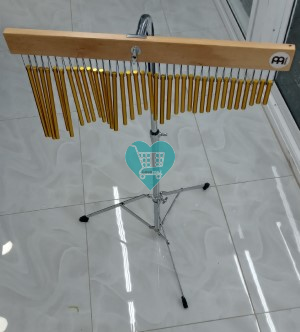
Musical Chime Bars
music Chime bars also known as resonator bells, are percussion instruments consisting of tuned metal or wooden bars mounted on individual resonators. Each bar produces a distinct pitch when struck with a mallet, creating a clear, bell-like tone with a longer sustain than a glockenspiel. More: Here’s a breakdown of key aspects of musical chime bars: Characteristics: Construction: Each note has its own separate bar and resonator box, often made of wood or durable plastic. The bars themselves are typically metal, though wooden versions exist. Sound: They produce a pure, ringing tone with significant sustain. The sound is similar to a glockenspiel but softer and with more resonance, somewhat akin to a vibraphone without the vibrato effect. Tuning: Chime bars are typically tuned to a diatonic scale (like the white keys on a piano), making them easy to use for simple melodies and harmonies. Chromatic sets (including sharps and flats) are also available for more complex music. Playability: They are played by striking the bars with mallets or beaters. Due to the individual mounting, they can be played one at a time, allowing a focus on rhythm and accuracy. Portability and Flexibility: Individual bars can be easily separated and rearranged, making them ideal for group activities and educational settings. Uses: Music Education: Chime bars are a favorite in classrooms, especially with the Orff Schulwerk approach. They are excellent for teaching: Pitch recognition Rhythm Melody Harmony Aural skills Hand-eye coordination Group playing and ensemble skills Performance: They are used in percussion ensembles to add melodic elements and bell-like timbres. Sound Effects: Chime bars can be used in theater and film for subtle, atmospheric, or magical sounds. Music Therapy and Sound Healing: Their clear and sustained tones can be used for relaxation and therapeutic purposes. Early Childhood Development: Playing chime bars helps develop motor skills, listening skills, and creativity in young children. How to Play: Individual Playing: Chime bars can be laid out on a table, allowing a single player to strike different notes to play melodies. Group Playing: Each person in a group can hold one or more chime bars and play their assigned notes as part of a melody or harmony, similar to handbells. Mallet Technique: Hold the mallet loosely and strike the center of the bar to produce the clearest tone. A bouncing motion can help the sound resonate. Ensemble Playing: In a group, listen carefully to the other players to ensure accurate timing and blend the sounds. Types of Chime Bars: Diatonic Sets: Typically contain eight bars tuned to a major scale (e.g., C to C). Chromatic Sets: Include additional bars to cover all the half-steps within an octave. Individual Chime Bars: Single notes can be purchased to expand existing sets or for specific musical needs. Colored Chime Bars: Some sets feature color-coded bars that correspond to specific notes, which can be helpful for young learners. Chime bars are versatile and engaging musical instruments, well-suited for both educational and performance applications due to their clear sound, ease of use, and flexibility.
$ 66.07